What Is Peripheral Neuropathy?
Peripheral neuropathy is the result of damage to the peripheral nerves which are the nerves outside of your brain and spinal cord that travel to your hands, feet, arms, and legs.
When these nerves are irritated or damaged, communication between your brain and body becomes disrupted. The result? Sensory changes, pain, weakness, and loss of coordination.
Peripheral neuropathy is commonly associated with:
Diabetes
Autoimmune conditions
Chemotherapy
Alcohol use
Vitamin deficiencies
Chronic inflammation
Nerve compression or injury
If you’re in Longmont, Boulder, or surrounding Colorado communities and noticing persistent numbness or burning in your feet, it’s not something to ignore.
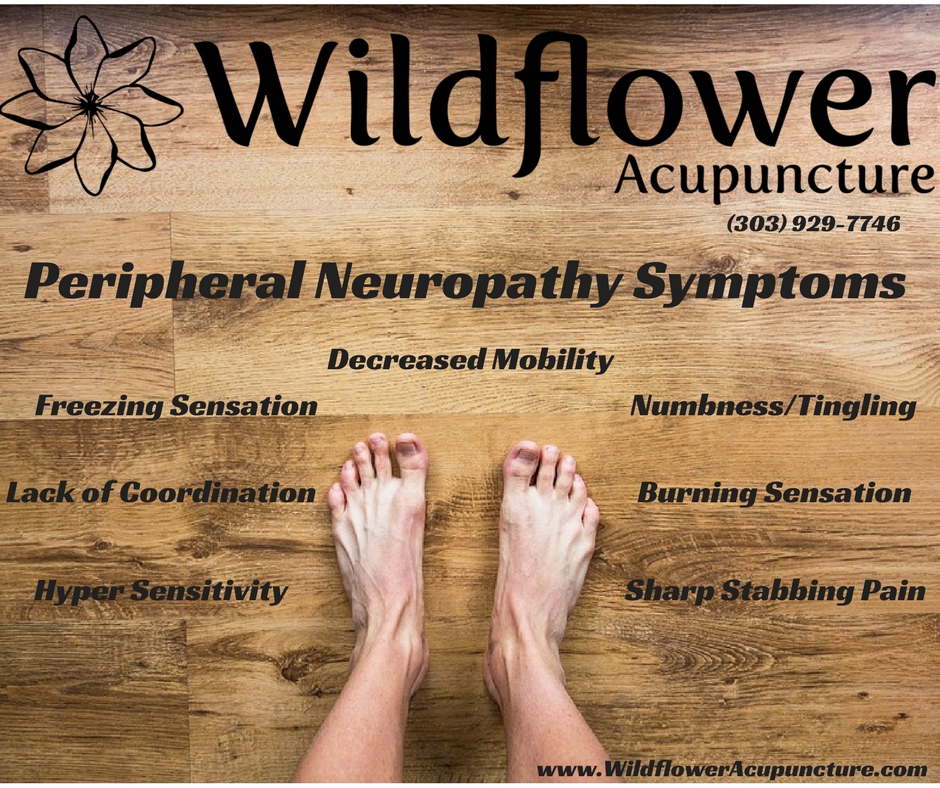
Common Symptoms of Peripheral Neuropathy
Symptoms can vary depending on which nerves are affected, but the most common include:
Weakness in hands or feet
Tingling or “pins and needles” sensations
Numbness
Burning or freezing sensations
Extreme sensitivity to touch (even blankets or socks can hurt)
Radiating pain into the legs or arms
Lack of coordination or balance
Difficulty with mobility
For many people, symptoms begin subtly and gradually worsen over time.
What Causes Peripheral Nerve Damage?
Peripheral nerve damage often develops when circulation, oxygen delivery, or metabolic function is compromised.
Common risk factors include:
Diabetes and blood sugar dysregulation
Rheumatoid arthritis and autoimmune disease
Alcohol misuse
Toxic chemical exposure
Smoking
Repetitive motion injuries
Prolonged nerve compression
Addressing the underlying cause is essential, but so is supporting the nervous system directly.
How Is Peripheral Neuropathy Treated?
Conventional care often includes medications for nerve pain. However, many people are looking for natural, non-pharmaceutical approaches to support nerve health and circulation.
A comprehensive approach may include:
Acupuncture
Anti-inflammatory, nutrient-dense diet
Regular movement (at least 30 minutes daily, even walking)
Blood sugar regulation
Managing autoimmune or inflammatory conditions
Avoiding repetitive nerve stress and toxic exposure
Movement increases circulation. Circulation supports nerve repair. And healthy nerves require oxygen, nutrients, and proper signaling.
How Acupuncture Helps Peripheral Neuropathy
At Wildflower Acupuncture, we regularly treat patients experiencing neuropathic pain, tingling, and numbness.
Acupuncture supports peripheral neuropathy by:
Improving circulation to affected areas
Reducing inflammation
Supporting nerve signaling
Modulating neuropathic pain pathways
Encouraging tissue repair
Regulating the nervous system
From both a Traditional Chinese Medicine and neurophysiological perspective, disease, damage, and dysfunction often correlate with impaired circulation and disrupted signaling.
By increasing blood flow and calming irritated nerve pathways, acupuncture can reduce burning, numbness, and hypersensitivity and in many cases improve mobility and quality of life.
When to Seek Treatment for Neuropathy
If you’re noticing:
Persistent numbness in your feet
Burning pain that disrupts sleep
Sensitivity to light touch
Balance issues
Gradually worsening weakness
Early intervention matters.
The longer nerves remain irritated or under-supported, the more difficult symptoms can become to reverse.
Peripheral Neuropathy Treatment in Longmont, Colorado
If you’re in Longmont, Boulder, Erie, Broomfield, or surrounding Colorado areas and dealing with peripheral neuropathy, you don’t have to simply “live with it.”
At Wildflower Acupuncture, we focus on:
Circulation support
Nervous system regulation
Whole-body inflammation reduction
Individualized care plans
Neuropathy is not just a symptom it’s a signal that the body needs support.
Take the First Step Toward Nerve Relief
If you have questions about peripheral neuropathy treatment in Longmont, reach out.
Ending the year on the right foot may literally mean taking care of your feet, and your nerves, now.
Schedule an appointment today at Wildflower Acupuncture and let’s support your nervous system the right way.
Jocelyn O'Connor, L.Ac., is a licensed acupuncturist and the owner of Wildflower Acupuncture in Longmont, Colorado, one of only five clinics in Colorado certified to provide SAAT.